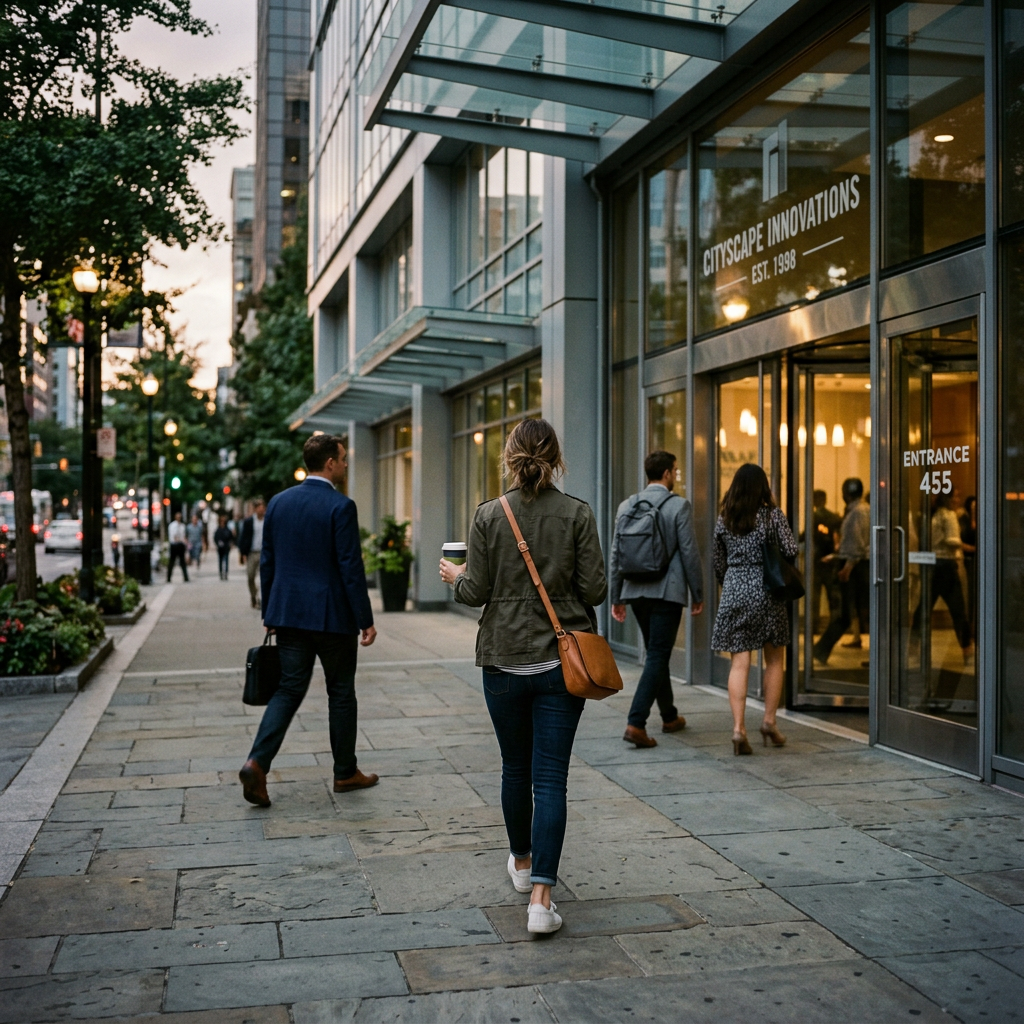
Remember the early days of 2020? We were all convinced that working from our couches in pajamas was the ultimate career hack. No commute, no awkward small talk in the elevator, and absolute control over the office thermostat. But fast forward to now, and many of us are realizing that the ‘freedom’ of hybrid work comes with a surprisingly heavy price tag: genuine, soul-crushing isolation. It turns out that digital pings and Zoom happy hours are poor substitutes for the kinetic energy of being in a room with actual humans.
The shift to hybrid arrangements has created a weird, liminal space in our professional lives. You’re not fully remote, so you aren’t building a nomad lifestyle, but you aren’t in the office enough to foster deep, organic relationships. We are drifting in a sea of asynchronous communication, where the lack of ‘watercooler moments’ leaves us feeling disconnected from the company mission—and sometimes, from our own teams. It’s a quiet epidemic of loneliness that is hitting Millennials and Gen Z harder than anyone else.
To combat this, companies are going into overdrive. They’ve realized that the ‘return to office’ (RTO) mandates aren’t working if the office is just a beige box with bad fluorescent lighting. So, they are pivoting to the bizarre. We’re talking about offices that look more like summer camps for corporate adults, complete with unconventional office perks designed to distract us from the fact that we’re sitting in an office just to be on the same Zoom calls we would have taken at home anyway.
The Illusion of the Modern Office Perk
Let’s talk about the ‘cool’ office incentives. We’ve all seen the job descriptions touting in-house barista stations, nap pods, or catered lunches featuring artisanal tacos. While these sound great on a resume, they often fail to address the core issue of hybrid work isolation. A kombucha tap doesn’t fix a lack of mentorship, and a ping-pong table doesn’t make up for the fact that half your team is still working from their spare bedroom in another time zone. We are essentially being bribed with snacks to ignore the void.
These unconventional perks often feel like a band-aid on a broken bone. HR departments are under massive pressure to justify the real estate spend, so they lean into the ‘experience’ of the office. However, for a generation that values authenticity above all else, these manufactured environments can feel patronizing. We don’t want a fancy lounge; we want a reason to be there that feels intentional. We want collaboration, not just mandatory fun that leaves us feeling more exhausted than when we walked in.
Furthermore, these perks can actually increase anxiety for remote workers who feel like they are ‘missing out’ on the office culture. It creates a weird two-tier system: the ‘office crew’ enjoying the perks and the ‘remote squad’ feeling like second-class citizens. When the office becomes a place for play rather than high-impact work, those who stay away to avoid the commute or the noise feel even more isolated. The goal should be fostering community, not just curating a space that looks good on a company’s Instagram page.
Navigating Loneliness in a Hybrid World
Loneliness at work is not just a ‘me’ problem; it’s a systemic issue that impacts our long-term career growth. When you don’t have those casual, low-stakes interactions with your manager or peers, you miss out on the subtle social cues, the informal advice, and the spontaneous brainstorming sessions that build a career. If you are feeling isolated, you are likely missing out on the kind of visibility that leads to promotions and cross-functional opportunities, simply because you aren’t ‘present’ enough.
To navigate this, we have to become more intentional about our communication. We can’t rely on the office environment to do the heavy lifting for us anymore. This means scheduling ‘coffee chats’ that aren’t about specific projects, but about actually getting to know the person on the other end of the screen. It means advocating for your company to invest in asynchronous collaboration tools that prioritize clarity and connection over just getting tasks done. We have to design our own social architecture within the company.
Ultimately, the burden of connection in a hybrid world falls on us to bridge the gap. Don’t wait for your company to organize a team-building event that everyone secretly hates. Instead, take ownership of your professional circle. Organize small group meetups, engage in mentorship programs that aren’t tied to your direct reporting line, and don’t be afraid to voice your needs for better in-person collaboration rather than just better snacks. Your work-life balance is important, but your work-life *connection* is what makes the job worth staying in.
Actionable Takeaways
- Audit Your Time: Keep a log of your week. Are you spending enough time on high-value, face-to-face collaborative tasks, or are you just commuting to sit on Slack?
- Create ‘Coffee Hours’: Set aside 15 minutes a week for a non-work video call with a colleague to keep the rapport alive.
- Demand Intentionality: If you are required to go into the office, ask your manager for a ‘collaboration agenda,’ so you know your commute time will actually be spent doing something that requires being in the same room.
- Set Boundaries: If office perks are causing more stress than relief, find a balance that works for your mental health, even if that means skipping the ‘mandatory’ fun.
Other Sources
- Harvard Business Review Workplace Research
- Pew Research Center Trends in Remote Work
- Forbes Human Resources Council Insights
Leave a Reply